
Abstract: A critical analysis of the campaign by Jake Cassar and the Coast Environmental Alliance (CEA) to revive Old Sydney Town, a defunct colonial theme park in Somersby, New South Wales. While promoted as a grassroots heritage project, the revival effort reveals deeper settler-colonial investments in cultural mimicry, identity fraud, and the erasure of Aboriginal authority. By tracing Cassar’s affiliations with conspiracist and settler-spiritual groups, examining rezoning politics, and analysing media complicity through Coast Community News, the article uncovers a pattern of cultural re-entrenchment that weaponises nostalgia against truth-telling. Grounded in Indigenous critique, heritage studies, and media analysis, this article argues that the Old Sydney Town campaign exemplifies the white possessive logic described by Moreton-Robinson (2015), and must be understood as part of a broader movement to undermine Aboriginal sovereignty and reassert settler control through aestheticised colonial memory.
Introduction: The Theme Park Old Sydney Town, for many Australians who grew up between the 1970s and 1990s, was more than a school excursion site; it was a settler fantasy etched in sandstone. Emerging during a period of nationalist resurgence, it reflected the broader political and cultural environment shaped by the Whitlam government’s investment in public heritage and cultural infrastructure.
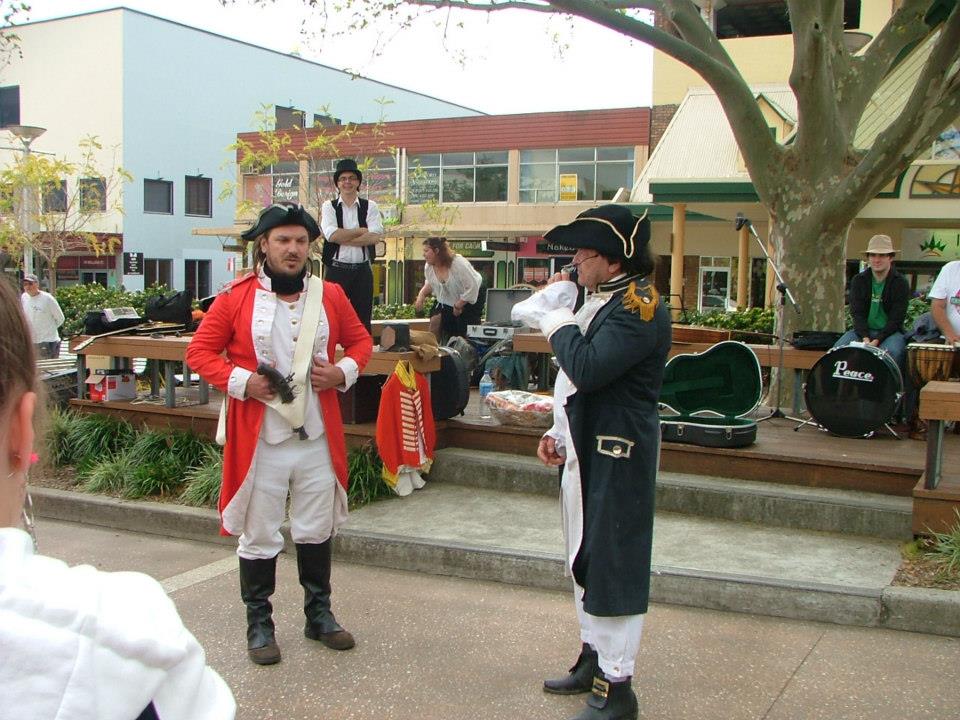
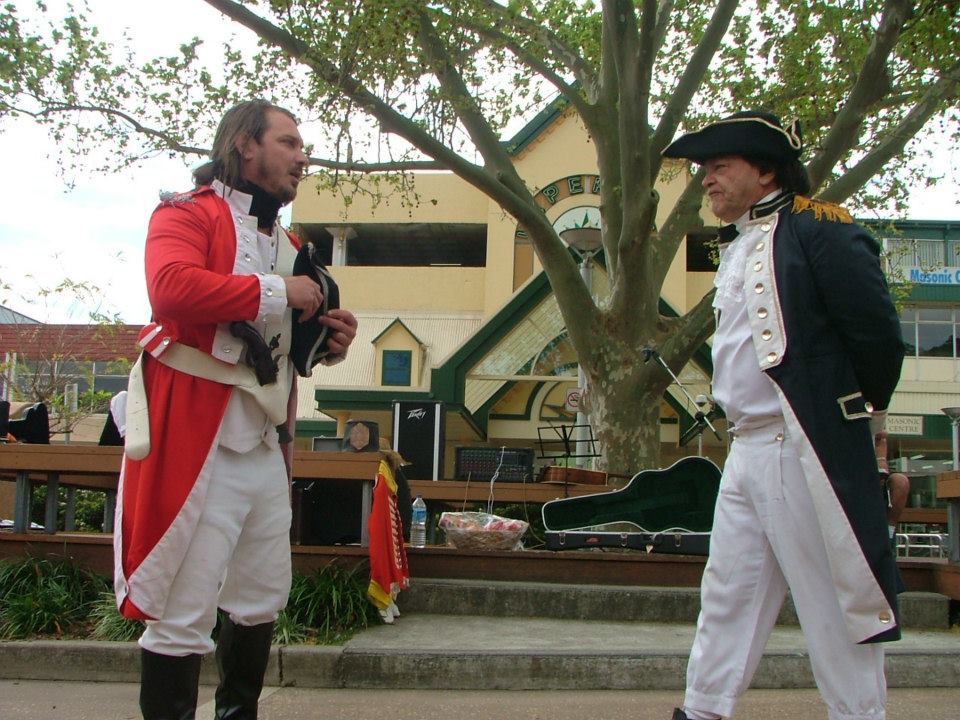
This was an era marked by the rise of Australian exceptionalism and identity-building through selective history. As Waitt (2000) notes, heritage projects of this period were often driven by desires to solidify settler legitimacy while muting the colonial violence underpinning national foundations. Old Sydney Town exemplified this tension, staging white convict suffering as a foundational myth while systematically excluding Aboriginal voices, perspectives, and sovereignty (Hughes, 2000). Marketed as a living museum, the site brought early colonial Australia to life through costumed actors, mock trials, and public floggings.
While it purported to educate, it enacted a version of history where the suffering of white convicts became the dominant narrative and Aboriginal presence was tokenised or erased entirely. When the park closed in 2003, its ruins became a mausoleum of myth: a decaying echo of the racial and pedagogical ideologies that shaped it.

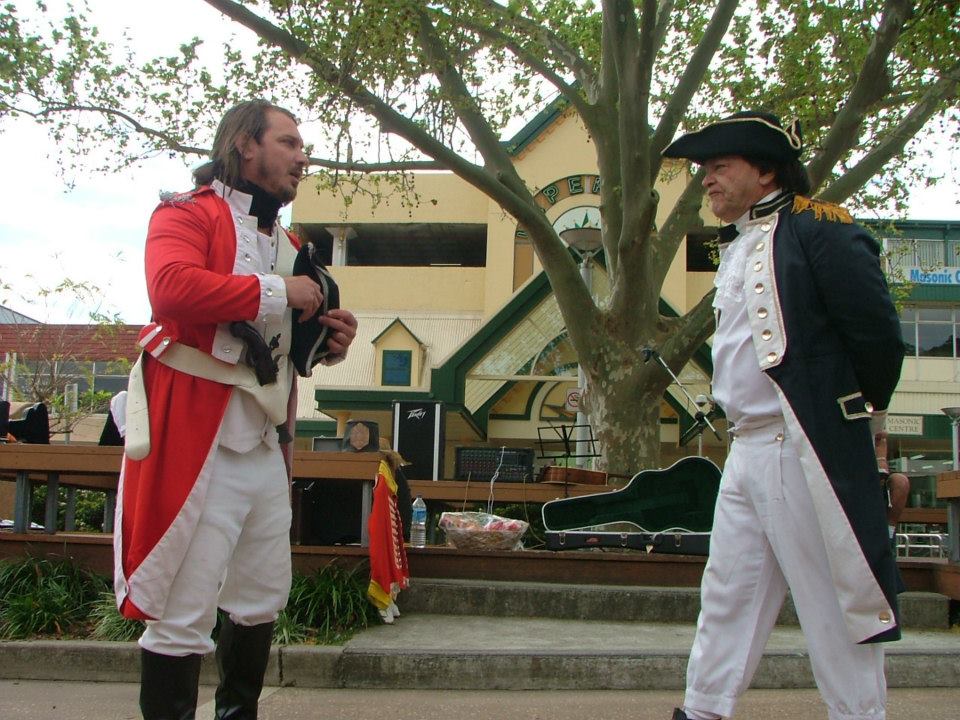
Jake Cassar and the White Possessive Revival
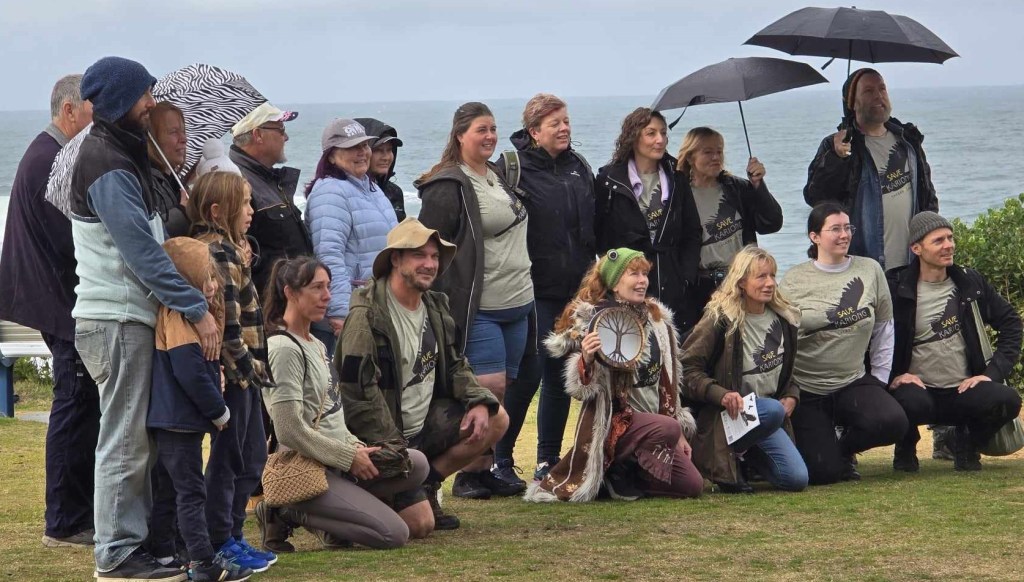
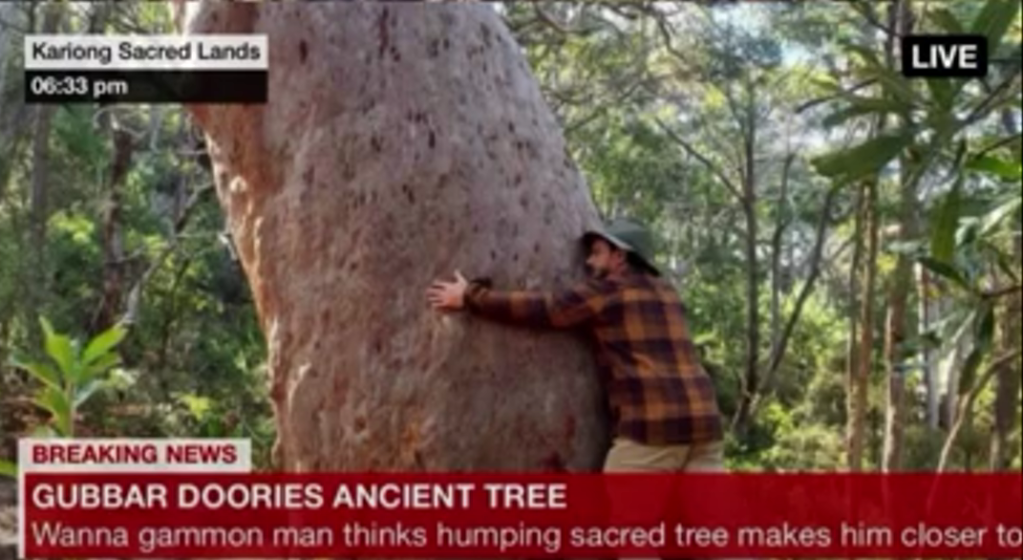
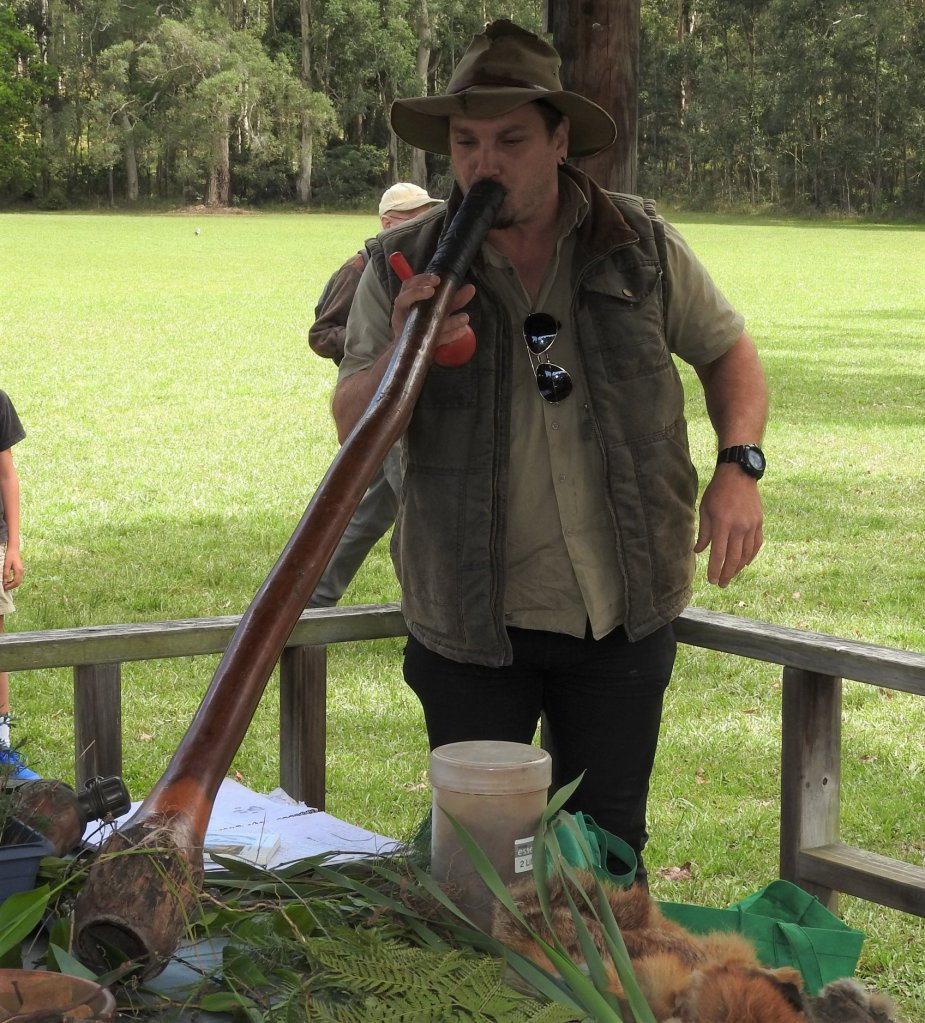
Since 2017, bushcraft teacher and conspiracist activist Jake Cassar has led the campaign to revive Old Sydney Town. His involvement must be understood in the context of his affiliations with settler-conspiritual groups such as Coast Environmental Alliance (CEA) and Save Kariong Sacred Lands, both of which oppose Aboriginal-led land developments and promote unverified spiritual claims about Country.
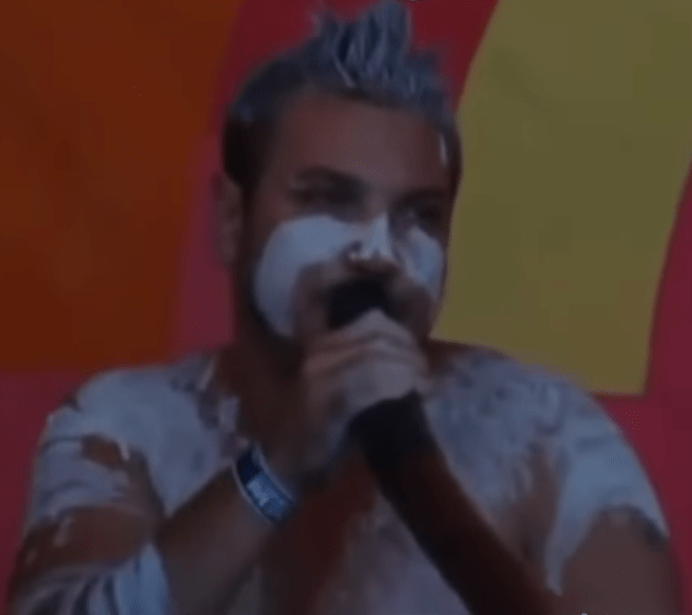
These networks frequently platform individuals who fabricate Aboriginal identities, reject institutional Aboriginal governance structures such as LALCs, and weaponise environmental and heritage rhetoric to advance settler interests (Carlson & Day, 2023; Cooke, 2025). Cassar’s leadership within these groups has amplified narratives of white grievance, environmental mysticism, and heritage revivalism that obscure the ongoing reality of Aboriginal dispossession and cultural erasure.
Through social media, community petitions, and repeated coverage in Coast Community News (CCN), Cassar has positioned the site as a lost treasure of Australian identity. Framing the park as both an economic opportunity and a heritage mission, Cassar has advocated for rezoning large tracts of land for commercial and tourism use, often in alignment with private developers (CCN, 2020, August 29).
This campaign, however, cannot be viewed in isolation. Cassar’s other public activities include leading the Coast Environmental Alliance, platforming fabricated Aboriginal custodians such as Tracey Howie and Neil Evers, and opposing Aboriginal-led development by Darkinjung Local Aboriginal Land Council (DLALC) at Kariong and elsewhere.
His actions reflect what Moreton-Robinson (2015) identifies as the “white possessive logic”: a settler assertion of cultural authority that silences Aboriginal sovereignty while re-inscribing white identity through heritage.

Rezoning for Whom?
Despite branding his campaign as grassroots and community-driven, Cassar’s support for rezoning the Old Sydney Town precinct has consistently aligned with private capital and speculative development. While he criticises DLALC’s rezoning efforts for alleged cultural desecration, he has championed proposals to turn the Old Sydney Town site into a tourism and residential complex under the banner of World Culture Tourism Village (WCTV). Planning documents reveal that over 30 percent of the site would be given over to commercial development (CCN, 2020).
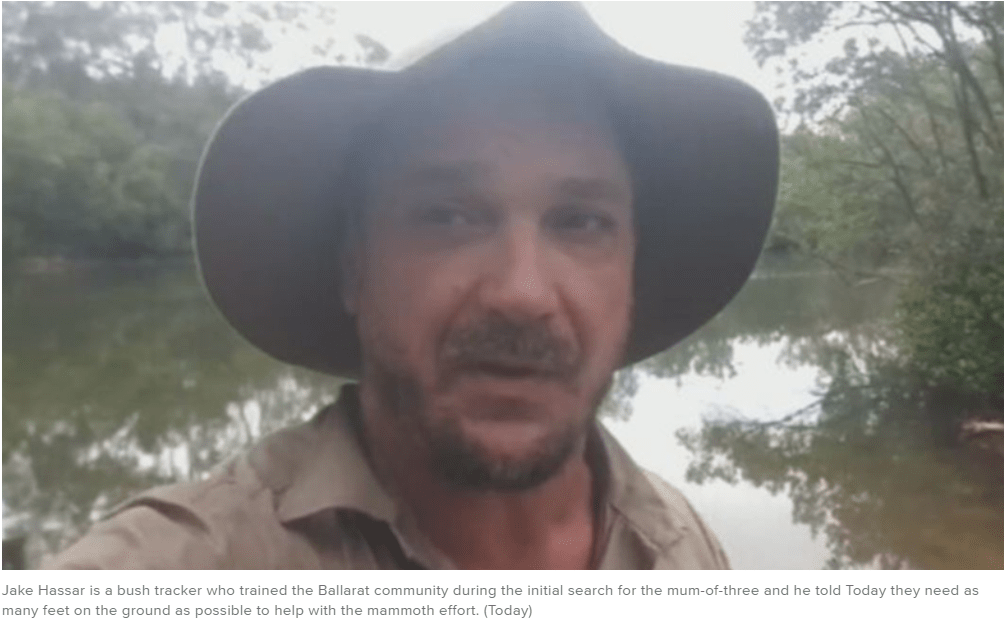
This hypocrisy exposes a racialised double standard: Aboriginal-led planning is framed as illegitimate, while settler-led development masquerades as heritage preservation. Cassar and CEA have actively campaigned against the Darkinjung Local Aboriginal Land Council’s strategic housing initiatives while supporting similarly scaled settler-led rezonings at Old Sydney Town.
These campaigns have overlapped with the efforts of My Place Central Coast, which mobilises settler environmentalist and conspiratorial discourses to obstruct Aboriginal self-determination and cultural authority (Cooke, 2025; Walker, 2023).

Such patterns reflect a coordinated settler agenda to reclaim control over heritage and land narratives, not through consultation or truth-telling, but through strategic obstruction and mimicry.
Cassar’s frequent condemnation of DLALC’s Kariong project as “a disgrace” (Forgotten Origin, 2021) is particularly telling. He invokes spiritual concern for the land when Aboriginal people are in control, but eagerly supports commercialisation when led by settler actors.
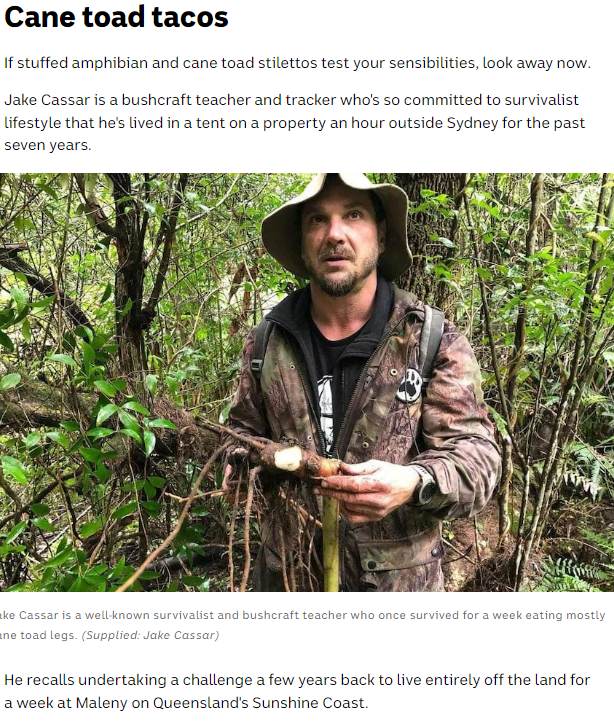
Media Mythmaking and Coast Community News A key enabler of Cassar’s campaign has been Coast Community News (CCN), a media outlet that frequently publishes sympathetic coverage of Cassar, CEA, and their collaborators. Since at least 2018, CCN has systematically platformed fabricated claims of Aboriginal identity and cultural custodianship, including repeated promotion of individuals such as Tracey Howie, Neil Evers, and Laurie Bimson.
These figures have been credibly challenged by Aboriginal communities and researchers for lacking verifiable descent or recognition (Cooke, 2025).
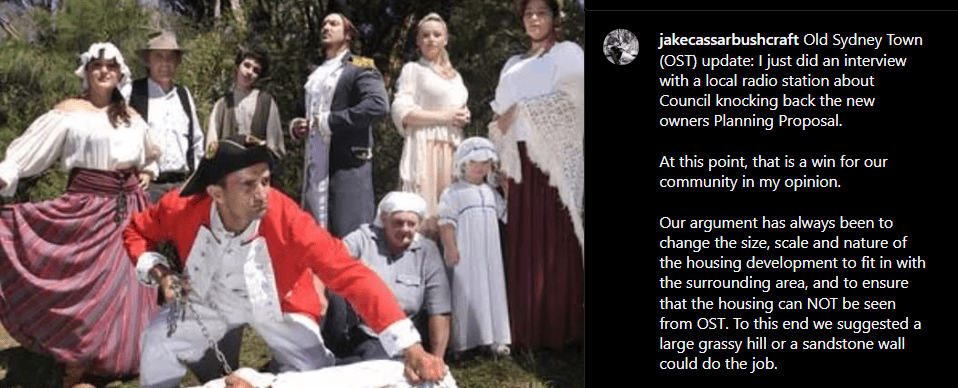
CCN has also reprinted conspiratorial narratives opposing Aboriginal land rights and native title processes, drawing upon settler-conspiritual sources linked to groups like Save Kariong Sacred Lands, Forgotten Origin, and My Place Central Coast. Rather than report with balance or investigative rigour, CCN has helped reframe Cassar’s development ambitions as community activism while erasing the role of Aboriginal land councils.
This deliberate exclusion of legitimate Aboriginal organisations, such as DLALC and MLALC, positions CCN as a media amplifier of white grievance and a key instrument in settler heritage mimicry (Carlson & Day, 2023; Walker, 2023).

This media complicity extends to the staging of public meetings, council interventions, and heritage debates, where settler claims are given parity or primacy over Aboriginal legal and cultural authority. The paper’s persistent use of settler terms such as ‘local knowledge holders’ or ‘community elders’ to refer to non-Aboriginal claimants distorts cultural legitimacy and undermines Aboriginal protocols of recognition and authority. In this context, CCN does not function as a neutral observer but as a cultural echo chamber for settler possessiveness, cloaking Cassar’s rezoning ambitions and fabricated custodianship claims in the language of environmentalism, localism, and heritage concern.
As Taplin (2023) and Cooke (2025) argue, such narrative strategies are a hallmark of settler-conspiritual media formations, where epistemic trust is redirected away from Aboriginal institutions and toward charismatic settlers performing legitimacy.
A Theme Park of Punishment and Repression
Old Sydney Town was not a neutral educational site. Its immersive design and school-based programming functioned as a form of racialised educational tourism, where children engaged in roleplay that privileged white settler narratives while ignoring or erasing the presence of First Nations peoples. Rodwell (2017) argues that such experiential history education, when devoid of critical framing, can reproduce dominant ideologies and reinforce settler innocence. Hutchinson (2024) further notes that Australian school geography has historically perpetuated racialised misconceptions by presenting colonial expansion as exploration rather than invasion. Within this pedagogical context, Old Sydney Town operated as a conduit for settler memory, miseducating generations about the foundational violence of the Australian nation-state.

As Hughes (2000) famously put it, it was “the only theme park in the world devoted to punishment and repression.” Daily floggings, kangaroo courts, and blacksmithing displays were staged for schoolchildren in an immersive environment that normalised colonial violence and erased Aboriginal resistance. Despite superficial references to Indigenous people, Aboriginal history was excluded from performances and sidelined in interpretation. These simulations of British legalism and penal justice not only aestheticised white suffering but functioned to obscure and displace Aboriginal systems of law, kinship, and Country.

The pedagogical effects were profound. Waitt (2000) and Rodwell (2017) show that heritage tourism, when uncritical, cultivates cultural amnesia and reinforces dominant ideologies. Clutterbok (2019) notes that in Australian cultural spaces, spatial narratives often perform settler belonging by inviting visitors to imaginatively inhabit colonial subjectivities. This phenomenon is echoed globally. Sites such as Colonial Williamsburg in the United States and Upper Canada Village in Canada have been criticised for marginalising Indigenous histories in favour of romanticised settler narratives. These examples underscore what Tunbridge and Ashworth (1996) term “dissonant heritage”: spaces that sustain dominant cultural memory by suppressing the voices of those dispossessed. Old Sydney Town taught generations of Australian children to empathise with white convicts while remaining ignorant of Aboriginal dispossession and survival. Its immersive storytelling model encouraged identification with the coloniser through costume, script, and space, ultimately reinforcing a sense of settler legitimacy grounded in the myth of penal virtue.

Settler Fantasy and the Politics of Revival Cassar’s attempt to revive Old Sydney Town cannot be separated from his broader political alignment with conspiracist and settler spiritualist networks. His work with CEA often blends environmental rhetoric with racialised misinformation, as seen in campaigns against DLALC and other Aboriginal-led initiatives. This is settler conspirituality in action: a fusion of ecological concern, faux-Indigeneity, and anti-institutional grievance that performs cultural legitimacy while displacing actual Aboriginal authority (Carlson & Day, 2023; Cooke, 2025).

Coast Environmental Alliance, My Place Central Coast, Save Kincumber Wetlands, and Save Kariong Sacred Lands, operate as coordinated ideological ecosystems that rely on settler mimicry, cultural fraud, and digital disinformation to disrupt Aboriginal sovereignty. Within these environments, figures like Cassar enact what could be termed charismatic fraud: the assumption of cultural leadership without lineage, community recognition, or legal standing, masked by affective performances of care, grief, and protection.

Rather than truth-telling or reconciliation, Cassar offers performance: the performance of colonial hardship, of community leadership, and of cultural concern. These performances, however, exemplify what Moreton-Robinson (2015) terms the “white possessive”: a mode of settler mimicry that reasserts colonial authority while obscuring Indigenous sovereignty.
By aligning with false custodians such as Tracey Howie, whose claims to Aboriginal identity are unverified and widely disputed, Cassar reproduces a racialised structure in which settler actors feel entitled to perform cultural legitimacy without accountability to Aboriginal communities.

This dynamic is not accidental; it is the lifeblood of settler cultism. As your broader research shows, charismatic settler figures use heritage revivalism as a vehicle for displacing Indigenous law, promoting settler-origin myths, and resisting the decolonising reforms of land rights, native title, and truth-telling processes (Cooke, 2025). Behind the curtain lies the same pattern: opposition to Aboriginal control, elevation of false custodians, and a longing for settler belonging unmarred by the trauma of dispossession.
Conclusion: Let the Ruins Stand Old Sydney Town should not be rebuilt. It should be remembered for what it was: a monument to denial. Its ruins speak louder than its reenactments ever could. The true work of cultural justice lies not in reviving a theme park of repression, but in supporting Aboriginal-led truth-telling, land return, and historical reckoning. This includes initiatives like Guringaygupa Djuyal Barray and DLALC’s environmental stewardship programs, which centre Aboriginal authority, knowledge, and voice.
Restorative justice requires more than critique—it requires transformation. This includes reimagining Old Sydney Town not as a settler heritage site but as a space for Indigenous-led cultural resurgence. Models such as the Myall Creek Memorial in northern New South Wales and the Yoorrook Justice Commission in Victoria offer powerful templates for reparative heritage practice grounded in community governance, storytelling, and intergenerational education. Applied to Somersby, such a transformation would involve the installation of Aboriginal narratives, oral histories, artworks, and ceremony on site, led by recognised Traditional Owners and Land Councils.

Institutional actors—including councils, tourism authorities, and media—must also be held accountable for enabling settler mimicry and platforming charismatic fraud. The nostalgia embodied in Cassar’s campaign is not benign. It is a political project that undermines Aboriginal self-determination and distorts public understanding of Australian history. Left unchallenged, such projects risk embedding racialised disinformation into heritage policy and perpetuating white cultural dominance under the guise of commemoration.
Cassar’s campaign represents more than misguided nostalgia. It is a strategy of cultural re-entrenchment, part of a wider movement that includes Coast Environmental Alliance, Save Kariong Sacred Lands, and other settler collectives who weaponise heritage against Aboriginal sovereignty. It is not enough to critique these efforts. We must expose them for what they are: attempts to reclaim the colony, one spectacle at a time. In doing so, we affirm that true cultural healing begins with truth, not theatre.
JD Cooke
References
Australian Human Rights Commission. (2008). Bringing them home: Report of the National Inquiry into the Separation of Aboriginal and Torres Strait Islander Children from Their Families. AHRC.
Carlson, B., & Day, M. (2023). So-called sovereign settlers: Settler conspirituality and nativism in the Australian anti-vax movement. Humanities, 12(5), 112. https://doi.org/10.3390/h12050112
Clutterbok, S. (2019). Into Outside Country: The influence of spatiality on the construction of racialised identities in Australian young adult texts [Doctoral dissertation, Australian Catholic University]. ACU Research Bank. https://acuresearchbank.acu.edu.au/item/8x3vq
Coast Community News. (2017–2024). Various articles retrieved from https://coastcommunitynews.com.au/
Cooke, J. D. (2025). The false mirror: Settler environmentalism, identity fraud and the undermining of Aboriginal sovereignty on the Central Coast. Guringai.org. https://guringai.org/2025/06/06/the-false-mirror-settler-environmentalism-identity-fraud-and-the-undermining-of-aboriginal-sovereignty-on-the-central-coast/
Forgotten Origin. (2021). Jake Cassar: Kariong sacred lands campaign. https://www.forgottenorigin.com/
Hughes, M., & Carlsen, J. (2010). The business of cultural heritage tourism: Critical success factors. Journal of Heritage Tourism, 5(1), 17–32. https://doi.org/10.1080/17438730903499712
Hughes, R. (2000). The fatal shore: The epic of Australia’s founding. Vintage Books.
Hutchinson, D. (2024). Race, racism, and reconciliation in Australian school geography. Geographical Education, 37, 15–23. https://agta.au/wp-content/uploads/2025/02/Geographical-Education-Vol-37-2024-Hutchinson-Race-Racism.pdf
Moreton-Robinson, A. (2015). The White Possessive: Property, Power, and Indigenous Sovereignty. University of Minnesota Press.
Rodwell, G. (2017). Experiential learning and critical pedagogy in history education. Issues in Educational Research, 27(3), 567–584.
Taplin, P. (2023). Contextualizing belief in conspiracy theories: Sovereign citizens and epistemic trust in Australian legal culture. Dispute Resolution Review, 25(1), 88–106.
Tunbridge, J. E., & Ashworth, G. J. (1996). Dissonant heritage: The management of the past as a resource in conflict. John Wiley & Sons.
Waitt, G. (2000). Consuming heritage: Perceived historical authenticity. Tourism and Heritage: Critical Perspectives, 8(3), 264–289.
Walker, J. (2023). Silencing the voice: The fossil-fuelled Atlas Network’s campaign against constitutional recognition of Indigenous Australia. Counterfutures, 15(2), 30–54. https://doi.org/10.5130/ccs.v15.i2.8813
Washington Post. (2000, September 5). Down under, in depth on PBS. https://www.washingtonpost.com/archive/lifestyle/2000/09/05/down-under-in-depth-on-pbs/6d4e8ee1-c6d7-4832-9ecb-7b1763882b15
 Bungaree.org
Leave a comment